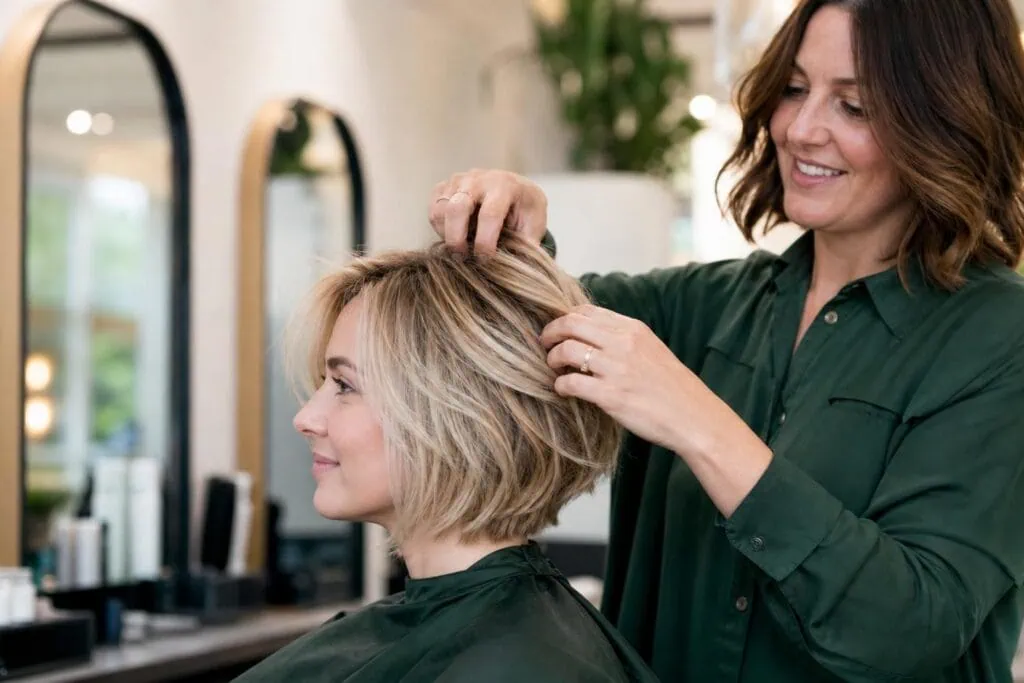
Fine hair gets a bad reputation, but the truth is that it can look absolutely stunning with the right cut. The real problem isn’t the hair itself: it’s choosing styles that work against its natural texture instead of with it. If you’ve ever walked out of a salon feeling like your fresh cut already fell flat by the time you reached the car, you know exactly what I mean. The best haircuts for fine hair that needs volume aren’t about adding bulk through product alone. They’re about strategic cutting techniques that create the illusion of fullness from root to tip. With the U.S. hair care market projected to reach $13.6 billion, the demand for specialized cuts and treatments tailored to fine hair has never been higher. That means stylists are more skilled than ever at tackling this exact concern. Whether you prefer cropped pixies, mid-length lobs, or long flowing styles, there’s a volume-boosting cut that will work for you. Here’s what actually makes a difference, and what to ask for at your next appointment.
Understanding Fine Hair and the Illusion of Volume
First, a quick reality check: fine hair and thin hair are not the same thing. Fine refers to the diameter of each individual strand, while thin describes overall density, or how many strands you have on your head. You can have a full head of fine hair or sparse hair that’s actually coarse in texture. Understanding the difference between hair density and hair thickness matters because it changes which cuts and techniques will actually help you.
Fine strands tend to lie flat against the scalp because they lack the internal structure to hold shape on their own. That’s why volume for fine hair is really about creating an optical illusion: cuts that build shape into the hair so it appears fuller even without styling. The wrong layers can thin fine hair out even more, while the right ones create movement and lift. This is why a consultation with an experienced stylist is so critical. A skilled professional will assess your hair’s density, texture, and growth patterns before picking up the shears.
Top Short Haircuts for Maximum Lift
Short cuts are a natural fit for fine hair because less length means less weight pulling strands downward. Gravity is the enemy here, and cropping your hair takes gravity out of the equation. Two short styles stand out as consistent winners for creating volume.
The Textured Pixie Cut
A textured pixie is one of the most reliable haircuts for fine hair that needs volume. The key word is “textured”: a sleek, flat pixie won’t do you any favors. What works is point cutting or razor cutting through the crown and top sections to create pieces that stand up and move independently. This gives the appearance of much thicker hair.
Your stylist should section the hair into four quadrants and focus on building height through the crown while keeping the sides and nape close. The contrast between shorter sides and a fuller top is what sells the illusion. In Florida’s humidity, a textured pixie also has the advantage of being low-maintenance and quick to style with a dab of volumizing mousse.
Blunt Bobs for Thickness
A blunt bob, cut to one clean length without tapering at the ends, is a powerhouse for fine hair. The reason is simple physics: blunt ends create a solid perimeter line that makes hair look denser. When you thin out or heavily layer a bob on fine hair, you lose that visual weight at the bottom and the whole thing looks wispy.
The sweet spot for most people is a chin-length or jaw-length bob. This length is short enough to avoid being weighed down but long enough to swing and move. If you’re in Central Florida and looking for a stylist who understands these nuances, the award-winning team at The Look Salon & Spa in Oviedo specializes in precision cuts that account for your specific hair type and lifestyle.
Medium-Length Styles That Add Body
Medium-length hair is the trickiest territory for fine strands. It’s long enough to get heavy but not short enough to hold natural lift. The right cut makes all the difference here.
The Choppy ‘Lob’ with Internal Layers
The lob, or long bob, has been a staple for years, and for good reason. But the version that works for fine hair isn’t the smooth, polished lob you see on red carpets. You want a choppier version with internal layers that remove weight from the interior of the hair without sacrificing the perimeter’s visual density.
Internal layering is a technique where the stylist cuts layers within the hair’s interior rather than stacking visible layers on top. This creates movement and bounce without the thinned-out look that traditional layering can cause on fine hair. Ask your stylist to keep the outermost layer solid while texturizing underneath. The result is a lob that moves like it has twice the hair.
Modern Shag with Face-Framing Fringe
The modern shag has made a serious comeback, and it’s one of the most flattering medium-length options for fine hair. Unlike the heavy, ’70s-inspired shag, the 2026 version is lighter and more refined, with face-framing layers that create dimension without overwhelming delicate strands.
The bangs are the secret weapon here. Curtain bangs or wispy fringe add visual weight around the face, making the overall style appear fuller. Your stylist should use slide cutting or dry cutting to customize the fringe to your face shape and natural growth patterns. This is especially important in Florida, where humidity can cause bangs to behave unpredictably if they’re cut too thick or blunt.
Long Hair Strategies for Fine Strands
Keeping fine hair long is absolutely possible: you just need to be more strategic about it. The goal is to create movement and shape without sacrificing the density you already have.
Ghost Layers for Invisible Movement
Ghost layers are exactly what they sound like: layers so subtle you can barely see them. They’re cut just a few inches shorter than the overall length, creating gentle movement without any obvious step between lengths. This technique has been replacing heavy layering in modern cutting because it preserves the appearance of thickness while preventing that flat, one-length look.
For fine hair, ghost layers work best when concentrated around the mid-shaft to ends. Your stylist should avoid layering near the crown on long fine hair, as this can create flyaways and make the top look sparse. The movement should happen from the ears down, giving you that effortless bounce without sacrificing volume where you need it most.
U-Shaped Perimeter Cuts
A U-shaped perimeter cut is a subtle but effective technique for long fine hair. Instead of cutting the bottom edge in a straight line or a V-shape, the stylist rounds the perimeter into a soft U. This creates the illusion of more hair because the rounded shape adds visual weight and eliminates the scraggly, thin ends that fine hair is prone to.
This cut works particularly well when paired with ghost layers. The combination gives long fine hair structure, movement, and a polished finish that doesn’t look like you’re trying too hard. Regular trims every six to eight weeks are essential, though, because fine hair shows split ends and damage faster than coarser textures.
Styling Techniques and Maintenance
A great cut is only half the battle. How you style and maintain fine hair between salon visits has a huge impact on how much volume you get day to day.
Start with a lightweight volumizing mousse or spray applied to damp roots. Avoid heavy serums and oils that weigh fine hair down. When blow-drying, flip your head upside down for the first few minutes to build root lift, then finish right-side up with a round brush to smooth the ends. Velcro rollers set in the crown for ten minutes while you do your makeup can add surprising lift with zero heat damage.
Washing frequency matters too. Fine hair tends to show oil faster, but over-washing strips natural oils and can make hair limp. Every other day is a good baseline, with dry shampoo at the roots on off days. The Florida heat and humidity can accelerate oiliness, so a clarifying shampoo once every two weeks helps prevent product buildup that flattens fine hair. Hair care trends in 2026 are increasingly focused on scalp health, which directly affects how much body and lift your hair can hold.
Investment and Professional Consultation
Getting a volume-boosting cut for fine hair is a bit different from a standard trim. These cuts require more precision, more time, and often more specialized training.
General Price Ranges for Specialized Cuts
Pricing varies widely based on your location, the stylist’s experience level, and the complexity of the cut. Here’s a general idea of what to expect:
| Cut Type | Typical Price Range |
|---|---|
| Textured Pixie | $45 – $85 |
| Blunt Bob | $50 – $95 |
| Choppy Lob with Internal Layers | $65 – $120 |
| Modern Shag | $65 – $120 |
| Long Cut with Ghost Layers | $75 – $130 |
These ranges are approximate. Americans spend an average of $110 to $150 per month on beauty services, with haircuts being one of the most common recurring expenses. Always confirm pricing with your stylist before your appointment.
Consulting Your Stylist for Personalized Pricing
No two heads of fine hair are identical, which is why a consultation before your cut is so valuable. A good stylist will evaluate your hair’s density, texture, elasticity, and growth direction before recommending a specific style and quoting a price. Some cuts require more time in the chair, especially if dry cutting or detailed texturizing is involved.
If you’re in the Central Florida area, The Look Salon & Spa in Oviedo offers consultations where their experienced team can assess your hair and recommend the right approach. Don’t be shy about bringing reference photos, but also trust your stylist’s professional judgment about what will work best for your specific hair.
Frequently Asked Questions About Fine Hair
Will layers make my fine hair look thinner?
It depends entirely on the type of layers. Heavy, visible layers can thin out fine hair and make it look wispy. Internal layers, ghost layers, and strategic texturizing add movement without removing visual density. Always discuss layering techniques with your stylist before they start cutting.
How often should I get my fine hair trimmed?
Every six to eight weeks is ideal. Fine hair shows damage and split ends more quickly than thicker hair types, and ragged ends make fine hair look even thinner. Regular trims keep your cut looking fresh and your ends looking full.
Is a razor cut good for fine hair?
Razor cutting can work beautifully on fine hair when done by an experienced stylist, particularly for textured pixies and shags. But in the wrong hands, a razor can over-thin fine hair and create frizzy, uneven ends. Ask your stylist about their experience with razor techniques on fine hair specifically.
Does coloring help fine hair look thicker?
Yes, strategically placed highlights, lowlights, or balayage can create the illusion of depth and dimension, making fine hair appear fuller. Color slightly swells the hair shaft, which can add a touch of actual thickness to each strand.
Can I still use heat tools on fine hair?
Absolutely, but always use a heat protectant and keep temperatures moderate: around 300 to 350 degrees Fahrenheit. Fine hair is more susceptible to heat damage than coarser textures, so lower heat with a quality tool will give you better results than cranking up a cheap flat iron.
Final Verdict
Finding the right cut for fine hair comes down to understanding how shape, weight, and texture work together to create the appearance of fullness. Whether you go short with a textured pixie, mid-length with a choppy lob, or keep your length with ghost layers, the common thread is precision. A skilled stylist who understands fine hair will make choices that build volume into the structure of your cut, so you’re not fighting your hair every morning.
If you’re in the Oviedo or greater Orlando area and want a stylist who truly gets fine hair, The Look Salon & Spa is a great place to start. Their team focuses on quality over quantity, using modern techniques and ongoing education to deliver cuts tailored to each client’s unique hair. You can request an appointment online and take the first step toward hair that finally has the body and movement you’ve been after.
